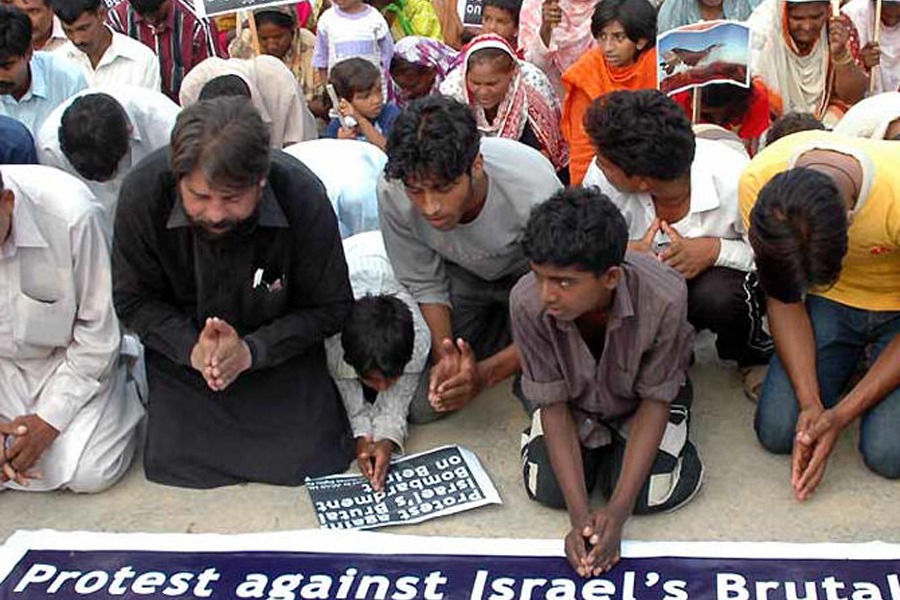
Meetings and Protests
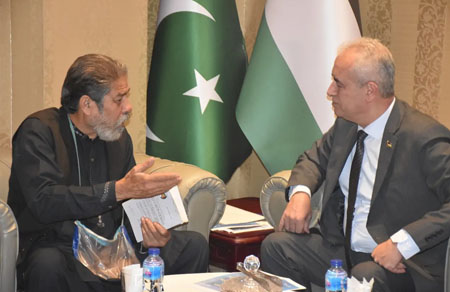
Lorem ipsum dolor sit amet, consectetur adipiscing elit. Vivamus sed porta dui. Class aptent taciti sociosqu ad litora torquent per conubia nostra inceptos...
Biography J. Salik
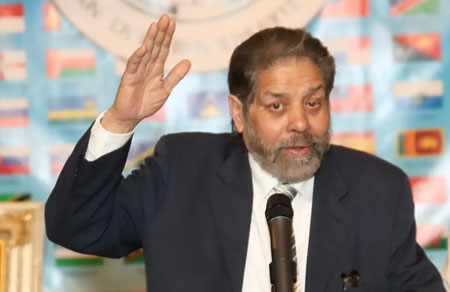
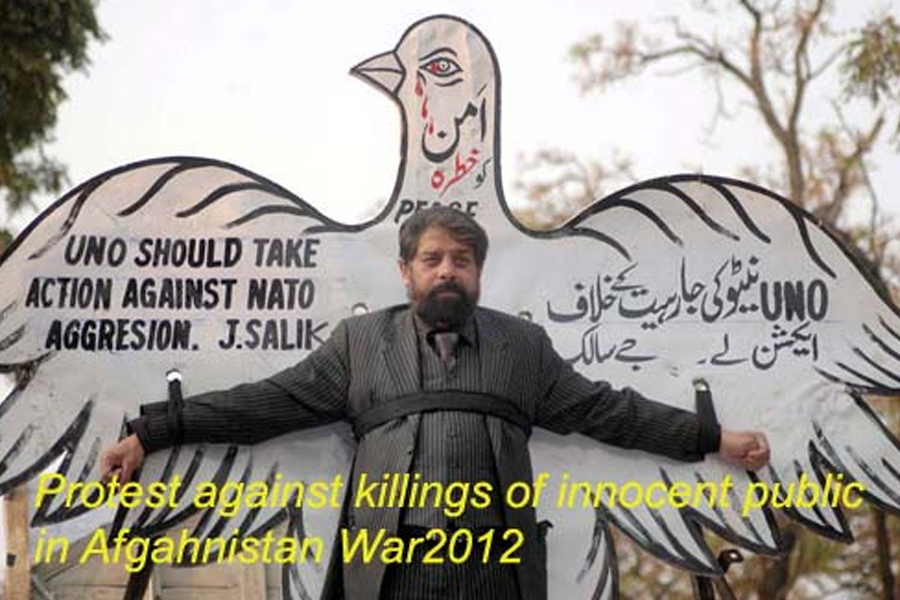
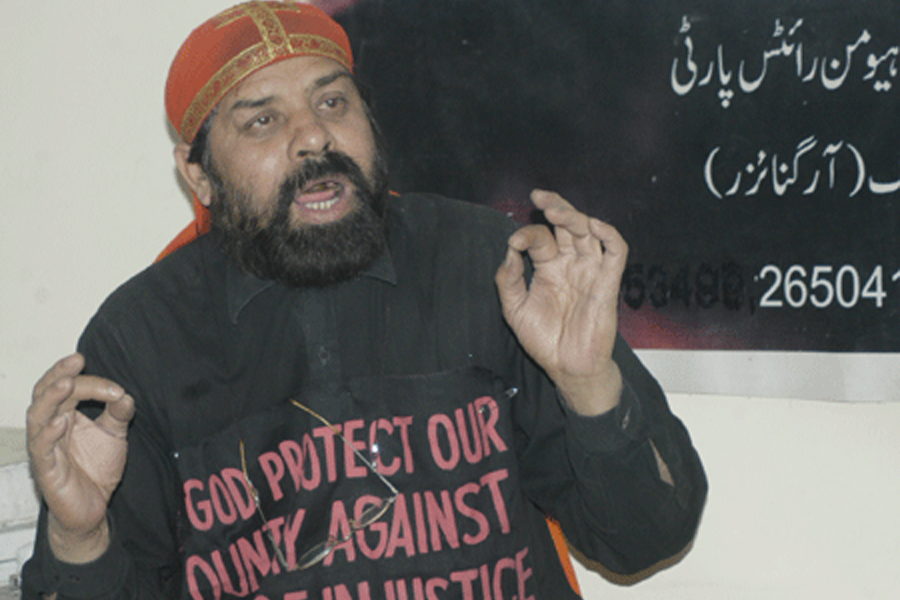
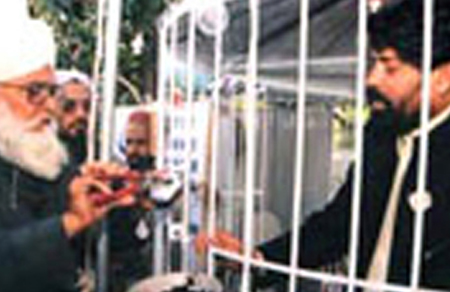
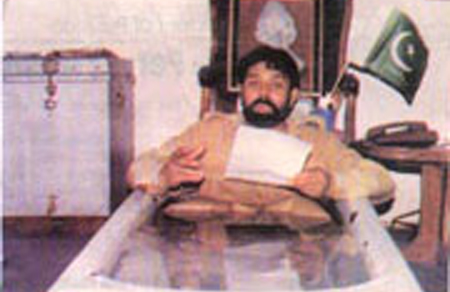
Give him a syringe and he will draw out his own blood, splash it on the soil and pay obeisance to the earth that molded him. Julius Salik has done it. As for caging himself up, it was his community’s - Salik is Christian - demonstration of solidarity with his Muslim brethren in Pakistan during the Holy Month of Ramadhan. He disconnects the electricity to his residence and brings in camels to share his living space. He burns his belongings. He treks thousands of kilometers. He observes silence for days on. He talks for hours on. He wears coarse cotton. He does it all for a cause. And for Salik, every action has a reason, and an effect. Nobel peace prize nominee and former federal minister of Pakistan, Julius Salik, 57 year old is currently promoting his mission of world peace. Understanding what he stands for doesn’t take much effort. He simply put, works for love and peace. He leaves no scope for ambiguity about his end-results. And in whatever he does, he strikes out a new path never following a trodden path. Salik plans to do just that. He names his home ‘The Black House’. Which explains the “Black House.” “Where does light shine? In darkness, isn’t it?” he asks. Which further explains why he had camels in his living room. That was his way of protest against the complacency of the authorities in disconnecting the electricity to the slum areas of Islamabad. He used a hand-fan, read by candle-light and heard the radio using battery cells. All he wanted was the authorities to realize the pain, the poor children in the slums had to undergo.
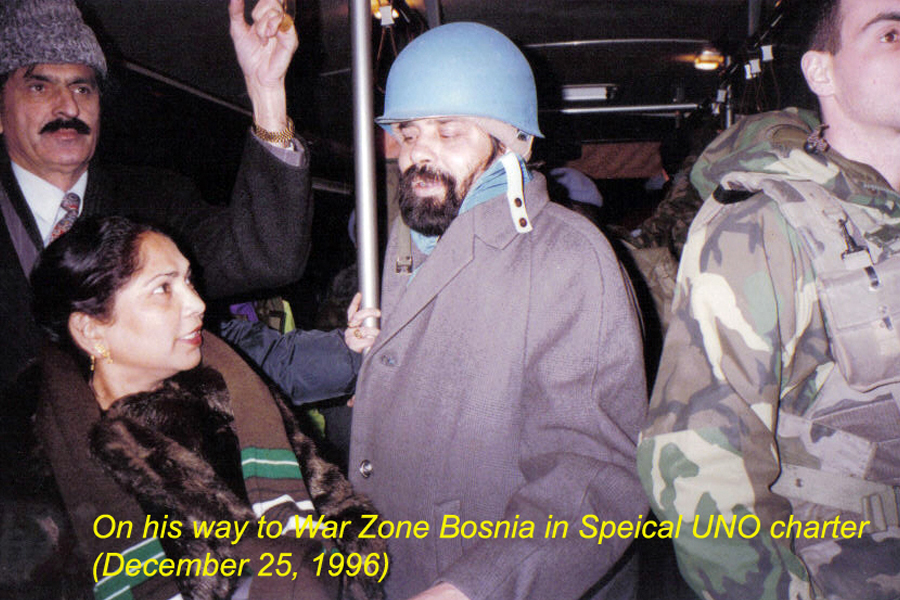
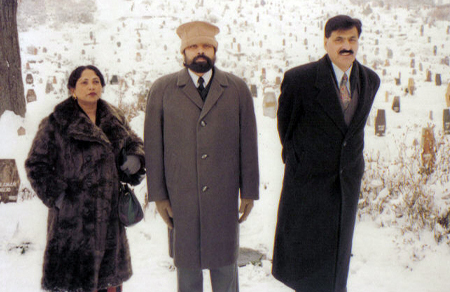
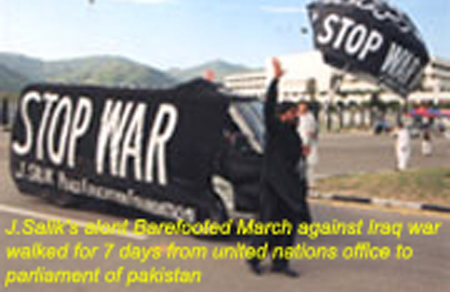
Salik burnt his belongings to press upon the authorities who delayed paying compensation to the family of a boy who drowned in an open ditch once again, pointing to the negligence of the concerned government organization. Salik donated the belongings of his house to the dead boy’s father. He observed silence for days on to focus the attention of authorities on the growing drug menace. He talked to an audience of over 20,000 assembled in a Lahore stadium on world peace for 16 hours “not winking an eye-lid nor letting anyone in the audience sleep.” He has trekked some 2000 kilometers, way back in 1985, to the Pakistan-Iran border campaigning for an end to the Iran-Iraq war. In India when there was controversy in Sikhism and when Golden Temple was demolished, J.Salik protested against Indian government and said that all the religions and sacred places in Pakistan are in secure hands. J.Salik protested over massacre of Muslims in the Philippine and as a mark of protest he wore black robes for 40 days. J.Salik lent support to 8 point peace program in 1982 of Prince Fahd for the Middle East. J.Salik burnt and buried the effigy of Christian militia over brutal Muslim massacre in Palestine. J.Salik organized hoisting of black flags over the houses of Christian community to protest against over violence against Muslim minority in Burma. He organized a joint Christian-Muslim Ulema conference to press the release of 72 American hostages by Iran and he appealed to Imam Khamini to release American hostages and said that Islam is a peace loving religion. It does not teaches hatred. The result of this appeal was that on Christmas day American hostages were released and they joined their loved ones at home. He wore coarse clothes to identify with the repressed all around the world. During his minister tenure he reached war-torn Bosnia along with his family members. When his only son pointed the life hazard, J.Salik silenced him saying that the dead bodies of father, mother and son reaching Pakistan on Christmas would not only help arouse world conscience but also enhance Pakistan’s prestige. J.Salik owned the life risk in writing and donning bulletproof jacket and riding army tank left the airport to express solidarity with the oppressed Muslims in the city. He accompanied by his family members spent the second Christmas as Federal Minister in the refugee tents among the oppressed Kashmiri Muslims. He polled the highest number of votes, the record yet to be beaten in Pakistan, individually in each province namely Punjab, Sindh, N.W.F.P, Balochistan and federal capital. His election was without any investment which too is a record in Pakistan history.
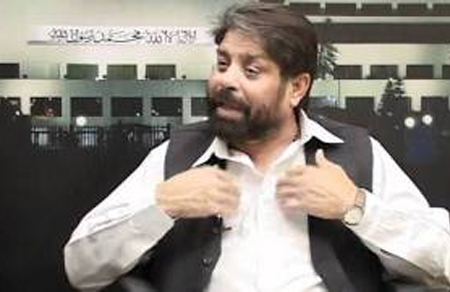

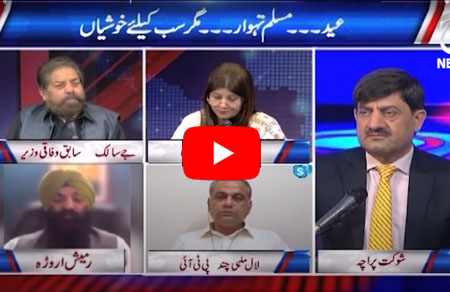
Pakistan is the eighth wonder of the world: J.Salik....
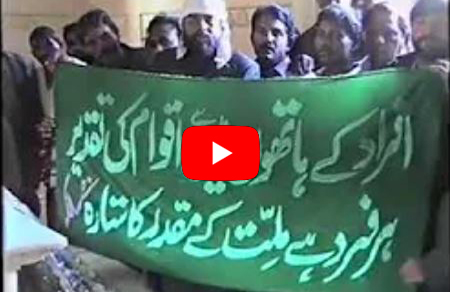
Pakistan is the eighth wonder of the world: J.Salik....
Pakistan is the eighth wonder of the world: J.Salik....
Ads 2 column